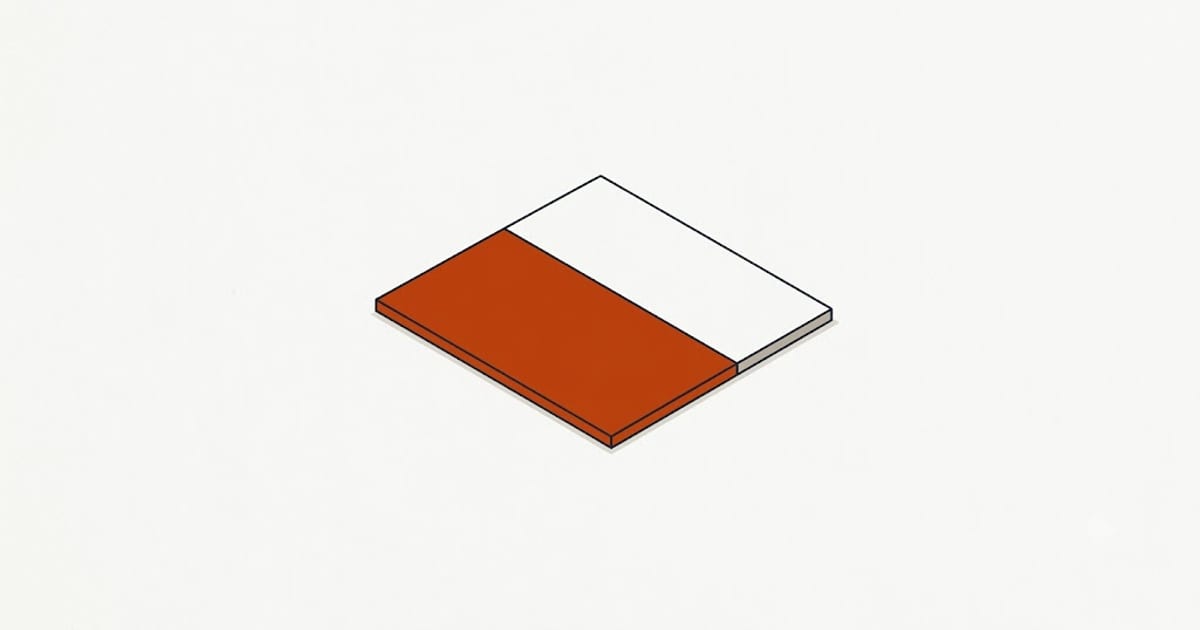
One test sorts almost every line in a bathroom budget: how hard is this to change later?
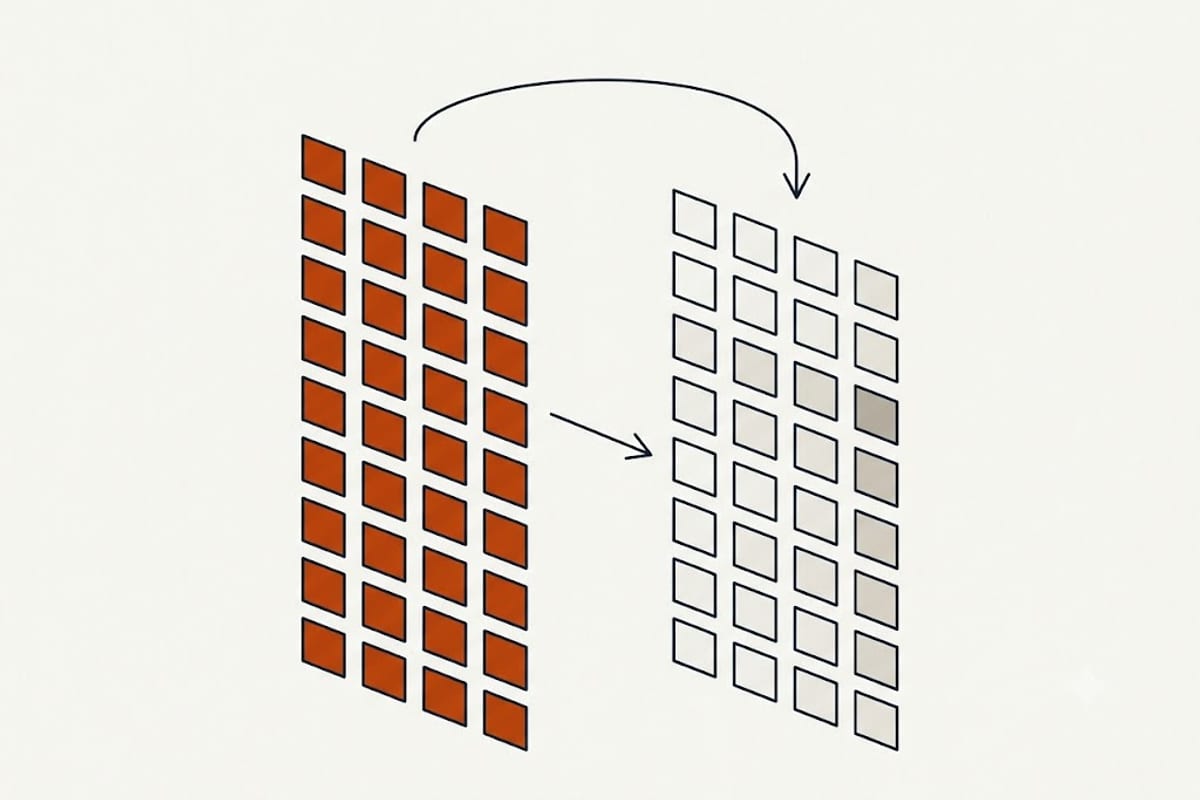
Spend here — it is buried
Waterproofing. The most consequential invisible layer in the room. Failure means removing the tile, the substrate and possibly the framing. There is no version of this worth economising on.
The shower valve body. Buried behind tile. Buy from a manufacturer whose parts will exist in fifteen years.
Plumbing rough and shut-off valves. Reaching them later means opening a wall.
Ventilation, sized and ducted properly. An undersized or badly ducted fan lets moisture destroy the room slowly, and rerouting a duct through a finished ceiling is a real job.
Blocking for grab bars. Ten dollars now, a demolition later.
Tile labour. Materials can be modest and the setting has to be good. Tile is most of what you see and bad tiling is visible forever.
Subfloor preparation and uncoupling membrane. Cracked tile from a flexing floor is not repairable in place.
Save here — it swaps out
Faucets and shower trim. The trim comes off with a screwdriver. Buy a solid mid-tier now and upgrade in five years if you want to.
Light fixtures, unless the wiring position changes.
Mirror and accessories.
Vanity, within reason — a decent stock unit performs like an expensive one and can be replaced without touching anything else. The top is where it is worth spending slightly more, since it takes the wear.
Toilet, above a basic tier. The functional difference between a good mid-range toilet and a premium one is small; the appearance difference is a matter of taste.
Tile itself. A well-laid inexpensive porcelain looks better than an expensive tile laid badly. Spend on the labour and the layout rather than the material.
The middle ground
Shower glass. Frameless costs considerably more than framed and looks better. It is replaceable but not trivially, since it is cut to the opening.
Heated floors. Only installable during the remodel, and much appreciated in a cold bathroom. If it is a maybe, the answer is now or never.
Niche and bench. Both are framing and waterproofing decisions made at rough-in.
Where budgets go wrong
Upgrading fixtures and economising on the waterproofing. The visible half looks excellent for five years and then the shower has to come out.
A tub nobody uses, occupying the space and budget a larger shower wanted. Be honest about how the room is actually used.
Moving the toilet for a marginal layout gain, which is the most expensive plumbing change available.
No contingency. An older bathroom will produce something behind the wall, and a budget with no room for it turns into a stopped job or a compromise on the wrong thing.
The one-line version
Spend on what is behind the tile and on the hands that lay it. Save on what unscrews.
Sequencing the spend
Where the budget is tight, the order that produces the best room is: get the hidden work right at full specification, choose modest finishes, and upgrade the finishes over the following years.
That works because finishes are swappable. The reverse — premium finishes over compromised waterproofing — cannot be corrected without removing the finishes.
Supplying your own fixtures
Buying fixtures yourself and having the contractor install them can save money and it moves the risk to you: if a fixture arrives damaged or is the wrong rough-in, the delay and the return are yours, and the contractor's schedule has already moved on.
Where you do supply them, have everything on site before the work starts. A job waiting on a back-ordered vanity costs more in schedule than the vanity saved.
What to check in a quote
Whether the waterproofing system is named by manufacturer, whether the fan CFM is stated, whether the valve brand is specified, and whether blocking is included.
Four small items, none of them expensive, and their presence in a quote tells you whether the contractor is thinking about the parts that fail.