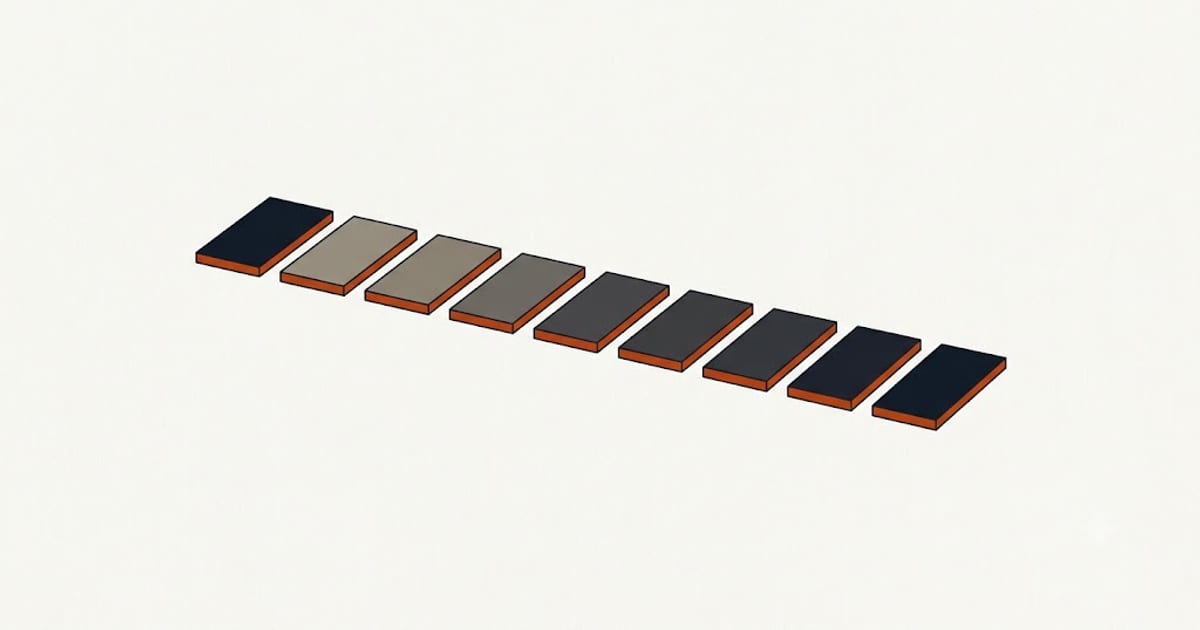
A bathroom is the most trade-dense room in a house. Nine stages, five trades, and in most jurisdictions three inspections — in a space of forty square feet.
The sequence cannot be reordered, which is useful: once you know it, anything missing from a quote becomes visible.
The nine stages
1. Protection and demolition. Floor protection through the house, dust containment, and everything out to the studs. On anything pre-1980, this is where lead and asbestos testing belongs — popcorn ceilings and old vinyl flooring are the usual suspects.
2. Rough plumbing. Drain and vent first, because they need slope and are the least movable. Then supply. If the layout is changing, this is the expensive stage and it is why keeping fixture positions saves so much.
3. Rough electrical. Circuits, GFCI protection, the exhaust fan, lighting, and any heated floor cabling. Most codes now require a dedicated circuit for bathroom receptacles.
4. Inspection. Rough plumbing and electrical, before anything is covered.
5. Insulation and backer board. Then the waterproofing system — the layer that decides whether the shower lasts, and the one nobody sees again.
6. Flood test. Twenty-four hours with the pan filled. This is a stage, not an optional extra, and it is the cheapest insurance in the job.
7. Tile. Floor, walls, niche, bench. Then grout, then sealing where the product requires it.
8. Fixtures and finishes. Vanity, toilet, shower valve trim, mirror, lighting, accessories, paint.
9. Final inspection and snagging.
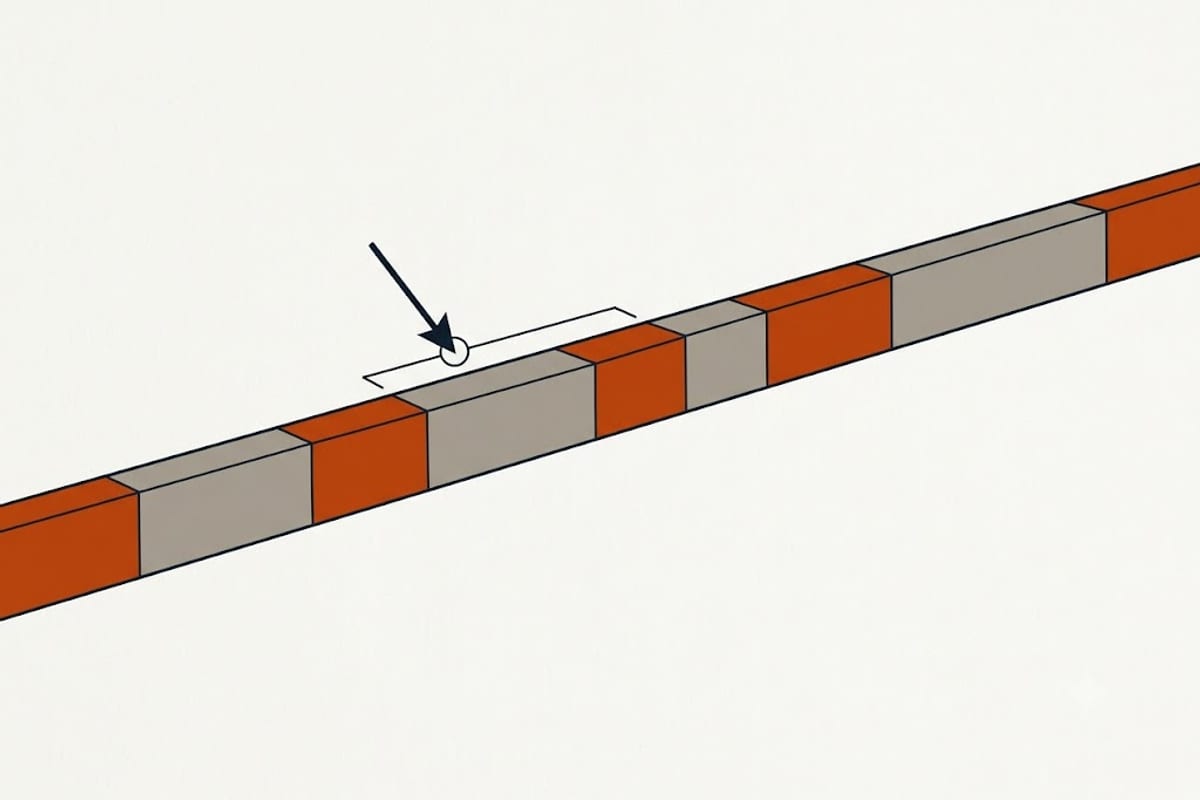
Where quotes hide things
"Demolition and disposal." Ask whether a skip is included and who carries the debris out. On an upstairs bathroom in a finished house this is real labour.
Floor levelling. Old floors are rarely flat, and large-format tile needs them to be. Self-levelling compound is a line item that appears after demolition if it was not priced before.
Subfloor replacement. Water damage around the toilet or the tub is common and invisible until the floor is up.
The exhaust fan duct. A fan that vents into the attic instead of outside is a code violation and a mould source. If the existing one does, correcting it is work nobody quoted.
Painting. Frequently excluded. Read the scope.
Making good the rest of the house — the hallway ceiling below, the doorway trim, the flooring transition.
The three questions worth asking before signing
What happens if you find rot? Agree the hourly rate and material handling in advance. This is the most common mid-job surprise and the most common source of argument.
Who pulls the permits? In most places a contractor should. A homeowner-pulled permit shifts liability onto the homeowner.
How long will the bathroom be out of use? A typical full remodel is two to four weeks, and the flood test plus tile curing means several of those days look like nothing is happening. That is normal and it is not the crew being slow.
Why the middle of the job looks like nothing is happening
Two stages have no visible output and both are non-negotiable.
The flood test is twenty-four hours of a shower pan sitting full of water while nobody works. Skipping it saves a day and risks opening the wall in year three.
Tile and grout curing is another one to three days depending on the products, and walking on a floor before the mortar has set is how tiles come loose later.
Add the two inspections, which are scheduled by the authority rather than by the contractor, and there are commonly four or five days in a three-week job where the bathroom is untouched. That is the schedule working, not the crew disappearing — but it is the most common source of a homeowner losing confidence mid-project, so it is worth knowing in advance.
Where the money actually sits
Homeowners focus on fixtures because that is what you choose in a showroom. In a typical remodel the fixtures are a modest share and the labour is most of it — a tiled shower alone can be a fifth of the whole job, because it is days of skilled work on top of the waterproofing beneath it.
That is why upgrading the vanity or the taps changes the price far less than people expect, and why moving the toilet changes it far more.
The one decision that moves the price most
Not the fixtures. Whether anything moves. New fittings in the existing positions, with new tile and a new vanity, delivers nearly all of the visible change for a fraction of the plumbing cost.
Price the same design both ways before falling in love with a drawing.