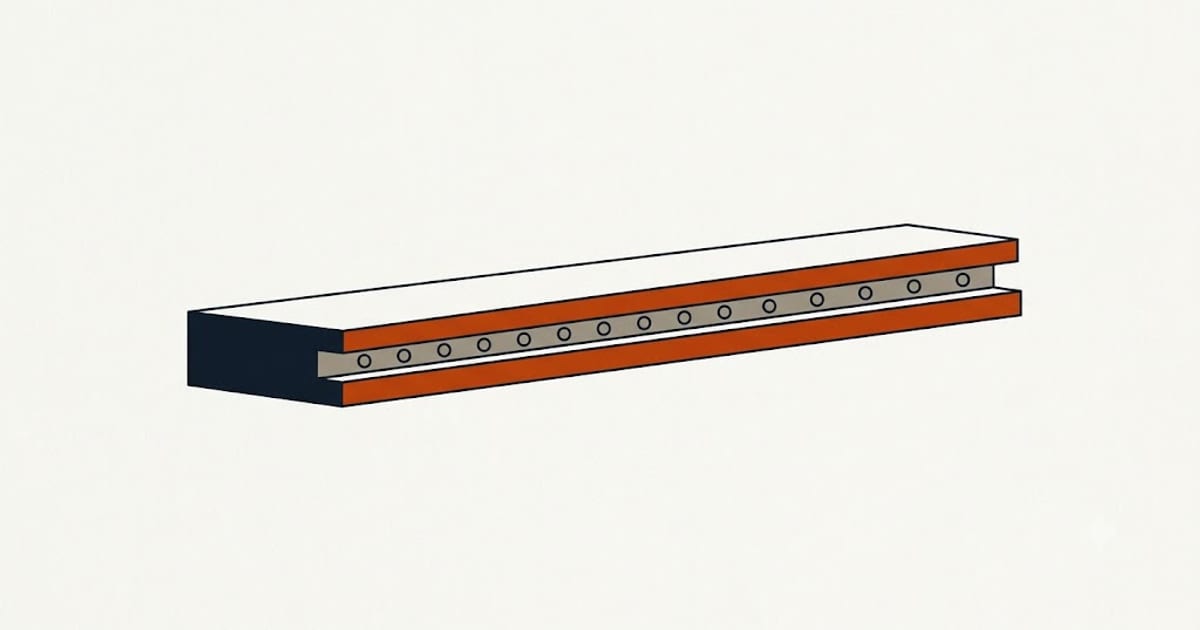
Electric underfloor heating in a bathroom is a mat or a loose cable set in the mortar bed under the tile, controlled by a thermostat with a floor sensor.
It costs a modest amount during a floor replacement and it cannot be retrofitted without taking the floor up. That asymmetry is the entire decision.
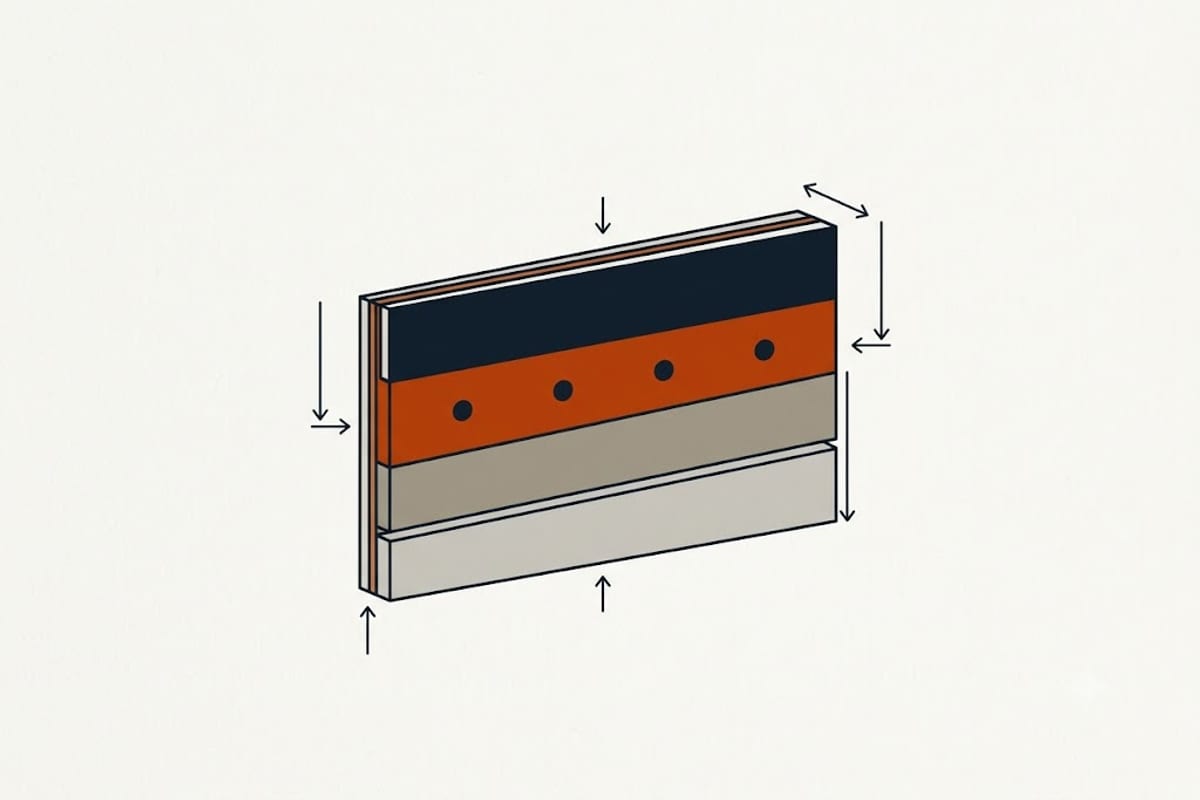
What it is for
Comfort, not heating. A tiled bathroom floor sits several degrees below room temperature and reads as cold underfoot. A heated floor reads as neutral or warm.
In a small bathroom it can serve as the primary heat source. In a larger one it supplements rather than replaces.
Mat or cable
Mats are cable pre-spaced on a mesh. Faster to install, and the fixed spacing means the mat has to be cut and turned to fit around fixtures, which takes planning.
Loose cable is spaced by hand and fits irregular areas better, at more installation time.
Either way, the cable is never cut. Its length determines its resistance and therefore its output. Ordering the right size for the actual heated area is the whole specification.
Where it does and does not go
Not under fixtures. No mat under the toilet, the vanity, the tub or the shower base — the heat has nowhere to go and the cable can overheat.
Measure the actual open floor area, not the room area, and order for that. This is the most common ordering error and it results in a mat that does not fit.
Under the shower floor is possible with products rated for it, and it is a genuine luxury on a curbless shower.
The thermostat and the sensor
A floor sensor goes in the mortar between two cable runs, not touching the cable, run back in a conduit so it can be replaced if it fails.
Sensors do fail, and one embedded in mortar without a conduit means lifting the floor. This is a five-minute detail that determines whether a future fault is a repair or a renovation.
Use a thermostat with a timer or programme. Running the floor continuously is expensive and unnecessary; running it for an hour before the household gets up is what people actually want.
Running cost
Electric floor heating is resistance heating, so it is expensive per unit of heat compared with a heat pump and comparable to any other electric heater.
In a small bathroom run for a few hours a day, the total is modest — the area is small. In a large bathroom run continuously it is not.
The timer is what keeps it reasonable.
Testing during installation
Test the cable's resistance three times: when it arrives, after it is laid and before the mortar, and after the mortar has been applied.
A cable damaged by a trowel is invisible and the three tests localise when it happened. Skipping them means discovering a fault after the tile is set, at which point the floor comes up.
Photograph the layout before covering it. Anyone drilling into that floor later needs to know where the cable runs.
Electrical requirements
Most installations need a dedicated circuit with GFCI protection, and that is a rough-in decision.
Where the panel has no space, that becomes a larger job, and it is worth checking before committing to the floor.
Whether to do it
If the bathroom is cold, the floor is being replaced anyway, and the panel has capacity — yes. It is consistently the item people report being most glad they included.
If the room is warm, or the floor is not coming up, or the budget is tight — the decision is genuinely now or never, and never is a legitimate answer.