The single biggest cost decision in a bathroom remodel is whether the fixtures stay where they are.
Keeping the layout means the plumbing rough-in is untouched, and the job becomes finishes. Moving fixtures means opening the floor, and everything else follows from that.
Why supply is cheap and drain is not
Supply lines are half-inch pipe under pressure. They can run uphill, around corners, through joists, and they are flexible. Rerouting one is an hour or two of work.
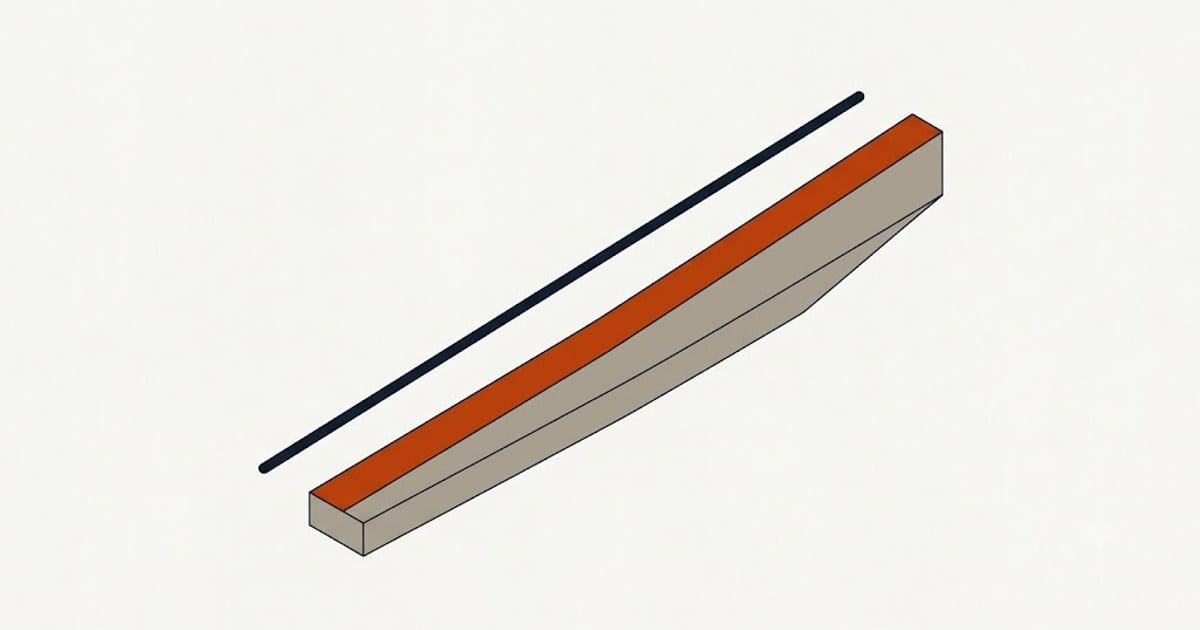
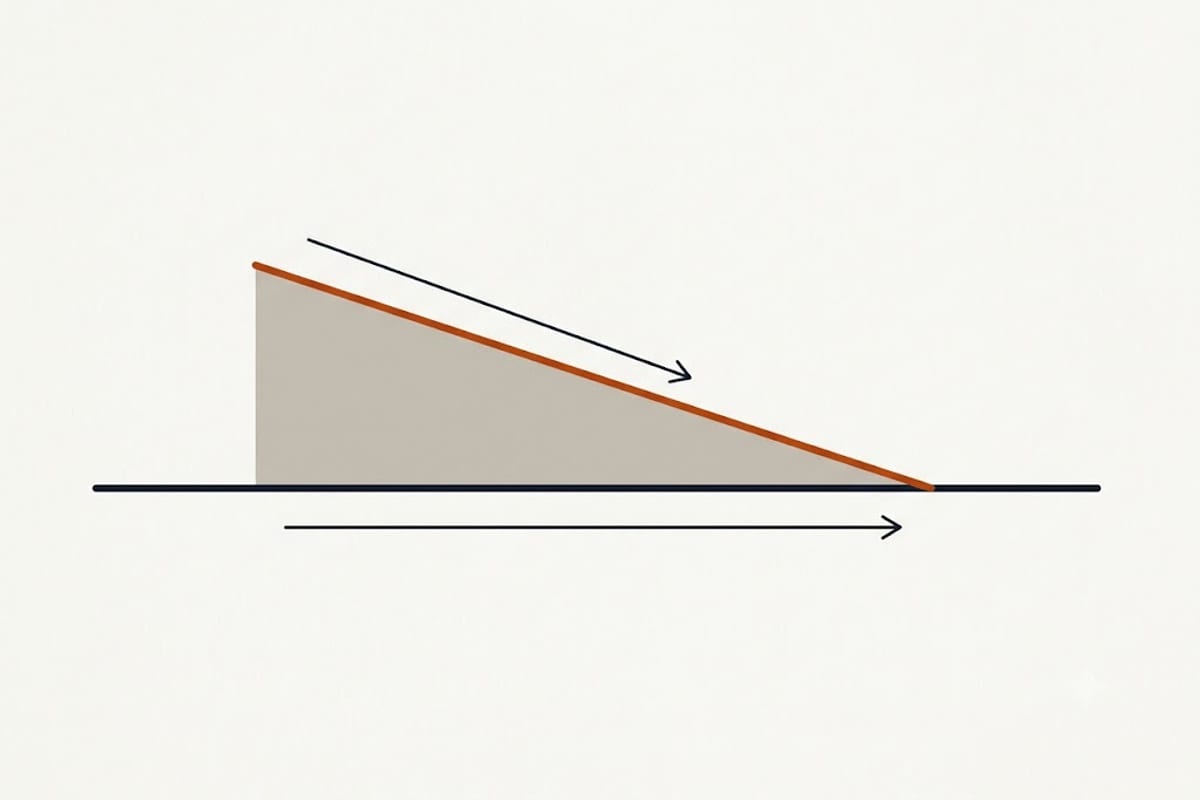
Drains run by gravity. They need a continuous fall — commonly a quarter inch per foot — which means the pipe has to start high enough and stay sloped for its whole length. There is no going around an obstacle by going up.
They also need venting, so that water flowing away does not siphon the trap dry, and vents have their own rules about distance and height.
And they are 2 to 4 inches in diameter, which frequently means cutting joists rather than drilling them.
The fixtures, ranked by cost to move
Sink — the cheapest. Small drain, easy vent, and the trap is in the cabinet where it is reachable.
Shower or bath — moderate. Larger drain, more fall needed, and the floor usually comes up.
Toilet — the expensive one. A 3 or 4 inch drain, a short distance to the stack, and no tolerance for insufficient fall. Moving one more than a couple of feet often means opening the floor to the joists and reworking the vent.
Fall is the constraint that decides feasibility
At a quarter inch per foot, a drain moving ten feet drops two and a half inches. That has to fit within the floor structure between the fixture and the stack.
On a second floor with shallow joists, or on a slab, there frequently is not room. That is when a layout change stops being expensive and becomes impossible without a bigger structural change.
On a slab the drain is in concrete. Moving it means cutting the slab, and it is the single most expensive plumbing change in a house.
Venting, and why it appears on the invoice
Every trap needs a vent within a maximum distance set by the code, and the distance depends on pipe size.
Move a fixture beyond that and a new vent is required — either connected up into the existing vent stack, which means opening walls, or an air admittance valve where the code permits one. Some jurisdictions do not.
This is a common source of a change order: the fixture move looked simple and the vent that has to follow it does not.
Joists
Drains crossing joists need holes or notches, and both are limited by code — a hole in a certain zone and of a certain diameter, notches only at the ends and only so deep.
A 3-inch drain frequently does not fit within those limits in a 2x8 or 2x10 joist, and the answer is running parallel between joists, which constrains the layout, or engineered work.
Where a contractor proposes cutting joists to suit a layout, that is an engineering question rather than a plumbing one.
The cheapest layout change
Keep the toilet. It is the fixture with the largest drain and the least tolerance.
Moving the sink and the shower while leaving the toilet in place captures most of the layout benefit at a fraction of the cost, and it is worth designing around before anything else.
What to establish before the design
Where the stack is. What the floor structure is — joists and their direction and depth, or slab. Whether the bathroom is on a slab or over a crawl space or basement.
Access from below changes everything: a bathroom over an unfinished basement is far cheaper to replumb than the same bathroom over a finished ceiling, and that difference is often larger than the fixture cost.