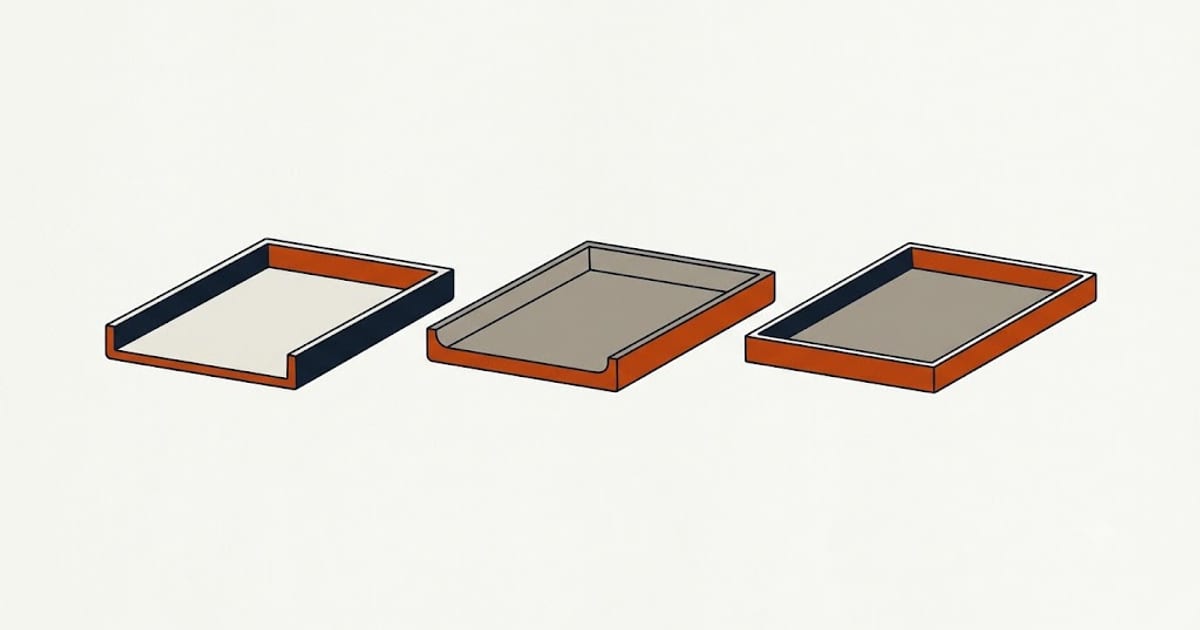
The pan is the floor of the shower and the single component most responsible for whether the bathroom below stays dry.
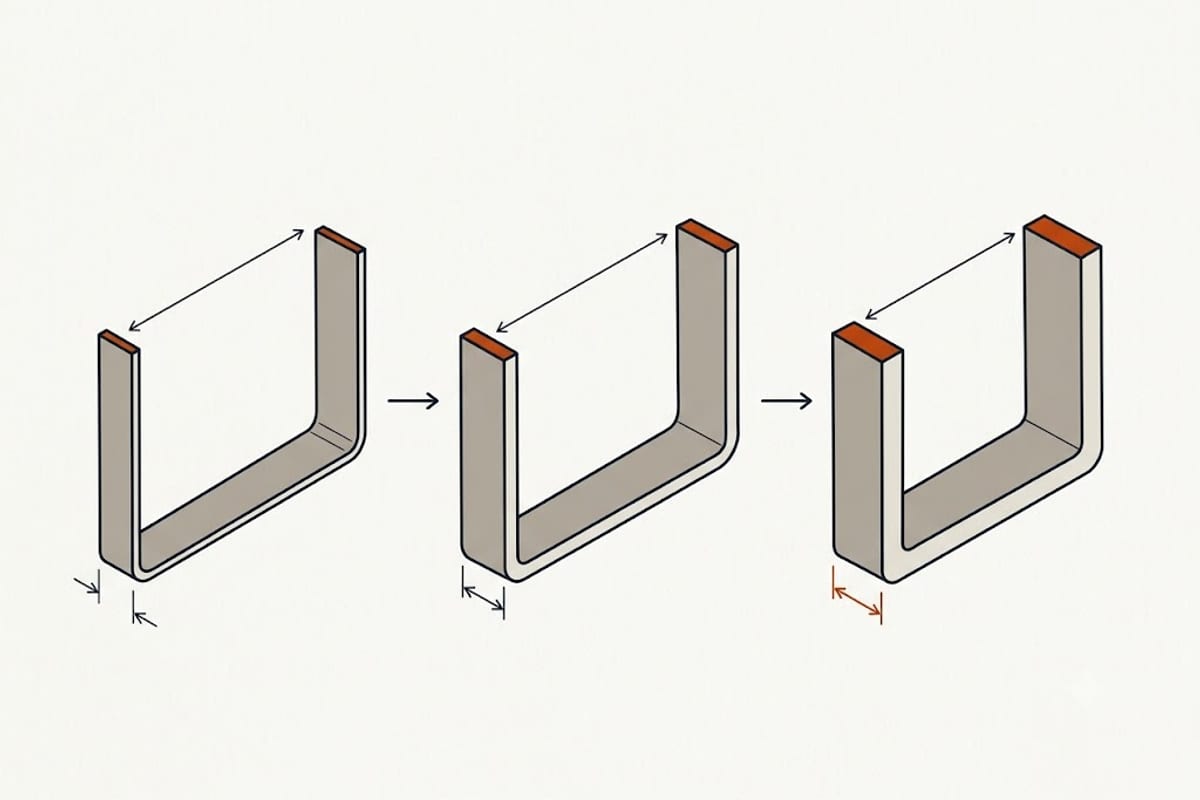
Moulded base
A one-piece acrylic, fibreglass or solid-surface tray, set on the subfloor and connected to the drain.
Cheapest and most reliable, because it is manufactured rather than built. There is no waterproofing to get wrong inside it — it is waterproof by being one piece.
Fixed sizes, so it constrains the layout. Limited appearance compared to tile. And it has to be set correctly in mortar rather than sitting on high spots, or it flexes and cracks at the drain.
For a family bathroom where reliability matters more than appearance, this is frequently the right answer and it is under-chosen.
Traditional mud bed with a liner
A sloped mortar pre-slope, a PVC or CPE liner over it turning up the walls, a two-part clamping drain, and a second mortar bed on top which is then tiled.
Water passes through the tile and the top mortar bed, reaches the liner, runs down the pre-slope, and exits through weep holes in the drain body.
Any size and shape. Proven for decades. Inexpensive materials.
Many ways to build it wrong, and the most common is omitting the pre-slope — laying the liner flat so it holds a permanent pool of water under the tile. The shower drains at the surface, so nothing looks wrong for years.
The second most common is blocked weep holes, where mortar was packed against the drain without stone around it, so the drainage plane cannot drain.
Foam tray with a bonded membrane
A pre-sloped rigid foam tray, bonded to the subfloor, with a sheet or liquid ANSI A118.10 membrane over it and the tile bonded directly to the membrane.
Water never gets past the membrane, so there is no second drainage plane and no weep holes to block.
Light, fast, and pre-sloped by manufacture, which removes the most common mud bed error.
More expensive in materials, sizes are modular though many are cuttable, and it requires using one manufacturer's system throughout rather than mixing.
The mistake that destroys either tiled system
Mixing the two approaches. A bonded membrane over a pan liner, or a clamping drain under a bonded system, traps water between two waterproof layers with nowhere to go.
Each system is complete on its own. Combining them is not belt and braces; it is a permanent reservoir.
The flood test
Whichever construction, plug the drain, fill the pan to just below the curb, mark the level, and leave it 24 hours.
Check the level and check the ceiling below. This is the only test that verifies the pan before it is covered, and it cannot be repeated once tile is set.
A contractor who resists a flood test is telling you something.
Curbless showers
A curbless entry means the pan is recessed into the floor structure, which requires either dropping the joists or building the rest of the floor up.
It is worth doing for accessibility and it is a framing decision made early. Retrofitting one into an existing floor is a considerably larger job than it appears.
Drainage also has to be more capable, because there is no curb to contain a slow drain.
What to ask
Which system, named by manufacturer. Whether the pre-slope exists, on a mud bed. Whether the flood test is included and when it happens.
Three questions, and the answers separate a shower that lasts thirty years from one that starts leaking into the ceiling below in five.