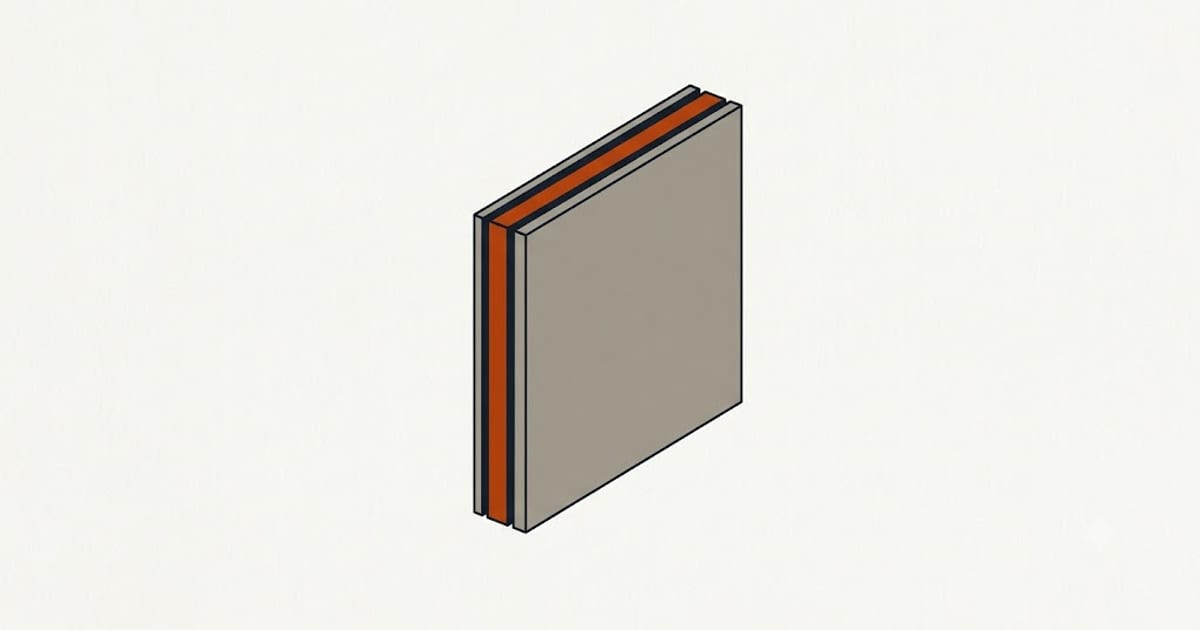
Start from the thing most people get wrong: tile and grout are not waterproof. Cement grout is porous, and water passes through it continuously in normal use.
Every tiled shower is designed to leak. The waterproofing layer behind the tile is what catches that water and returns it to the drain. Which layer that is, and how it is detailed at the corners and the drain, decides whether the shower lasts five years or thirty.
The four systems you will be quoted
Cement board plus a liquid membrane. Backer board screwed to the studs, then a paint-on membrane rolled over it with reinforcing fabric at the corners. Common, cheap, and entirely dependent on the applicator reaching the required film thickness — which is invisible once it dries.
Cement board plus a sheet membrane. A bonded sheet product over the board. More forgiving than liquid because thickness is fixed by the manufacturer, and the corners come as pre-formed pieces.
Foam board systems. Waterproof boards with sealed seams, replacing backer board entirely. The board is the waterproofing. Fast, expensive in material, and the tolerance for bad detailing is lowest at the seams.
Traditional mortar bed with a liner. A pan liner under a thick mortar bed with a two-part clamping drain. Old, slow, and still excellent when done by someone who knows how — the water travels through the mortar and exits at the weep holes.
Where showers actually fail, in order
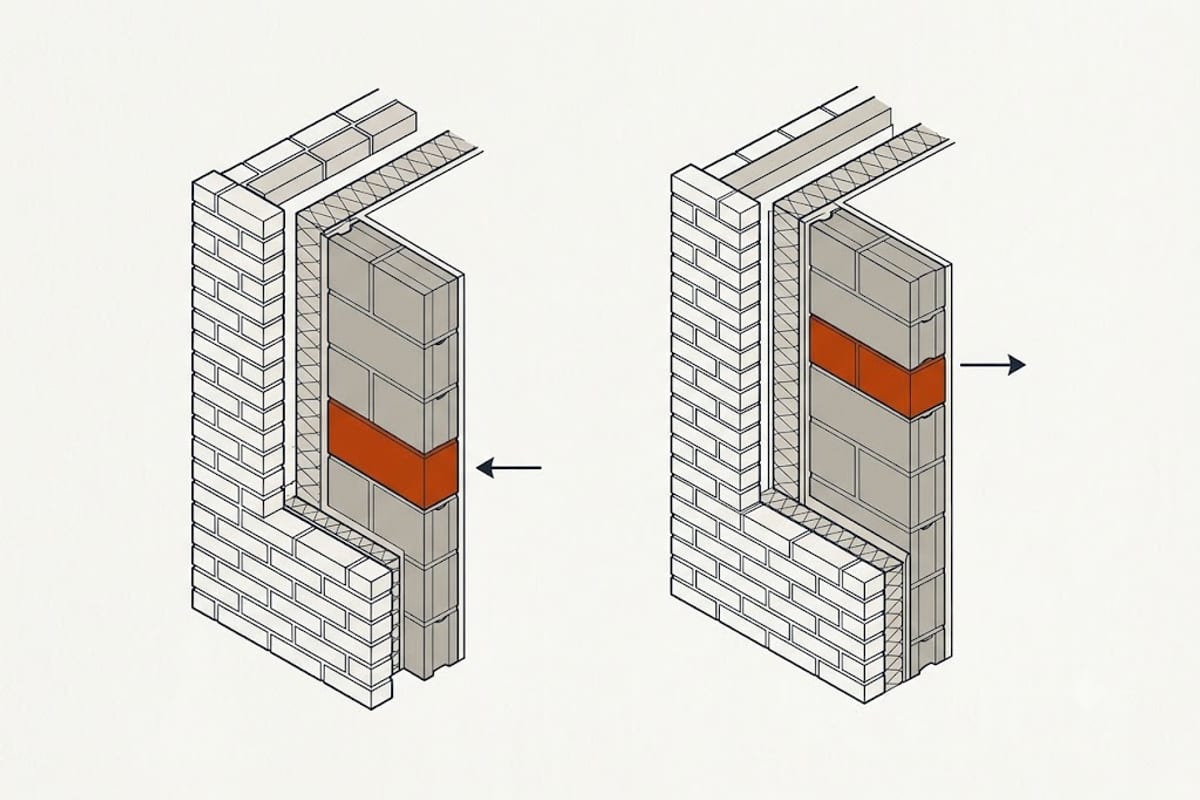
1. The corners and the change of plane. Not the flat walls. Every system requires reinforcement where wall meets wall and wall meets floor, because that is where movement concentrates.
2. The drain connection. The membrane has to bond to the drain flange, and the drain has to be the right type for the system. A surface-membrane system on a traditional clamping drain, or the reverse, is a failure that shows up in year two.
3. The niche. A recessed shelf is five extra corners and a sloped sill, all of it inside the wettest part of the shower. Prefabricated niches exist for exactly this reason.
4. The bench. Same problem, plus it holds standing water.
5. Anywhere a fixing penetrates. A grab bar or a shelf screwed through the membrane after the fact is a hole in the waterproofing.
Notice that none of these are the tile.
The question that separates a good installer from a cheap quote
"Will you flood-test it?"
Plug the drain, fill the pan to the top of the curb, mark the level, and leave it 24 hours. If the level drops, it leaks — before any tile goes on, when the fix costs a morning.
An installer who flood-tests as standard is telling you something about the rest of their work. One who is reluctant is telling you something too.
Two things to insist on
One manufacturer's system throughout. Board, membrane, corners, seam tape, drain and sealant from the same product line. Mixing brands is where warranties evaporate and where chemically incompatible products let go quietly. Every manufacturer publishes a system specification; ask which one is being followed.
A pre-sloped pan or a properly sloped mortar bed. Water has to reach the drain. A floor that ponds is a floor where the grout stays saturated permanently, and that shows as discolouration long before it shows as a leak.
What the extra money buys
The difference between the cheapest and the best system on a standard shower is a few hundred dollars in materials. The difference in outcome is a shower that needs the wall opened in year six.
Against the cost of the tiling itself, that is the wrong place to save — and it is the invisible half, which is precisely why it is where corners get cut.